
Beat January Blues at Nirvana Spa
5 January 2026
Is your makeup routine aging you? My experience with a make-up consultation
5 January 2026
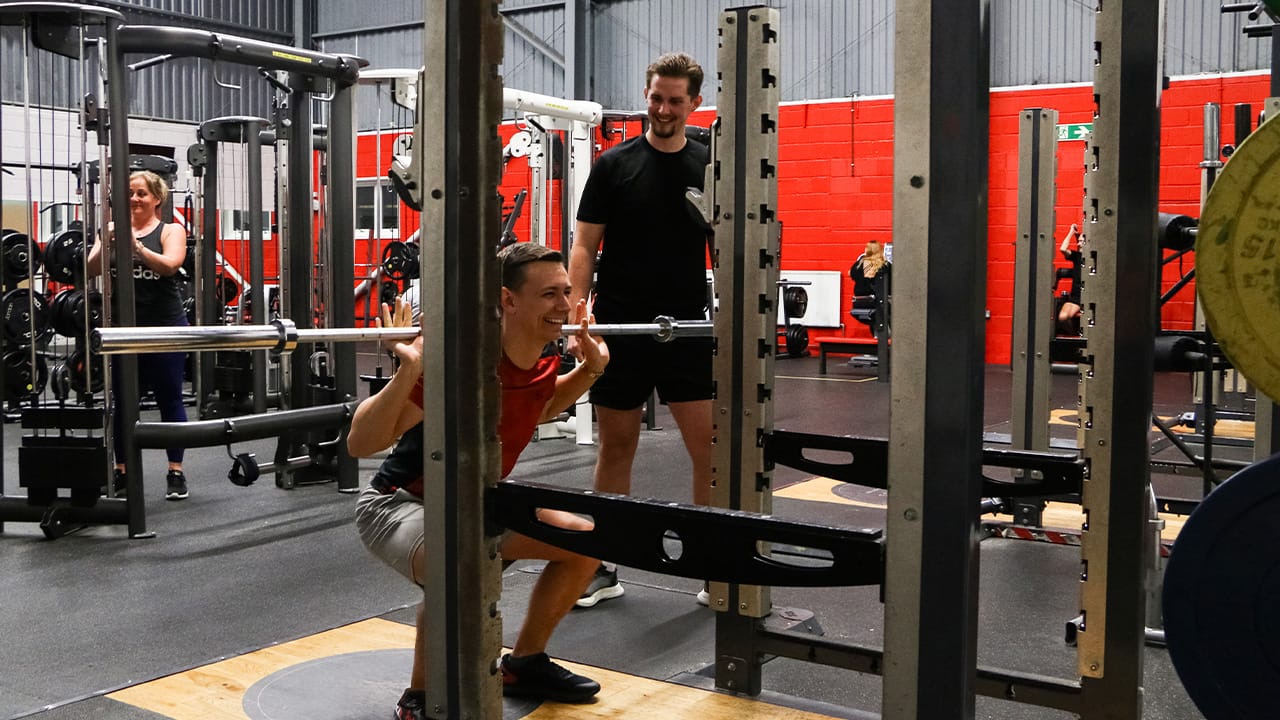
The squat is a natural, everyday movement used whenever you stand up from a chair or pick something up off the floor. Mastering proper squat form not only enhances your gym workouts but also makes daily activities easier and helps maintain strength and mobility for life.
When performed correctly, the squat delivers a massive return on investment for your physical health. It isn’t just about building big legs; it is a full-body movement that promotes longevity and functionality.
Here is why we want you to focus on squatting this January:
Stronger Bones and Joints
Squatting is a weight-bearing movement which promotes bone density and strengthens the ligaments and tendons surrounding your knees and hips.
Better Core Strength and Balance
You cannot squat effectively without a stable core. The movement forces your abdominal and lower back muscles to work overtime to keep you upright. This enhanced stability directly improves your balance, which significantly reduces the risk of falls later in life.
Improved Mobility
We often lose flexibility because we stop moving through full ranges of motion. Deep squatting engages the ankles, knees, and hips, keeping these joints fluid and mobile.
Muscle Tone and Metabolism
Squats target the largest muscle groups in your body: the glutes, quadriceps, and hamstrings. Because you are engaging so much muscle at once, your body requires more energy to perform the movement. This increases your metabolism and boosts calorie burn more effectively than isolation exercises.
Perfect Posture
A strong squat relies on a strong posture. By strengthening the muscles that support your spine, you naturally improve the way you stand and sit throughout the day.
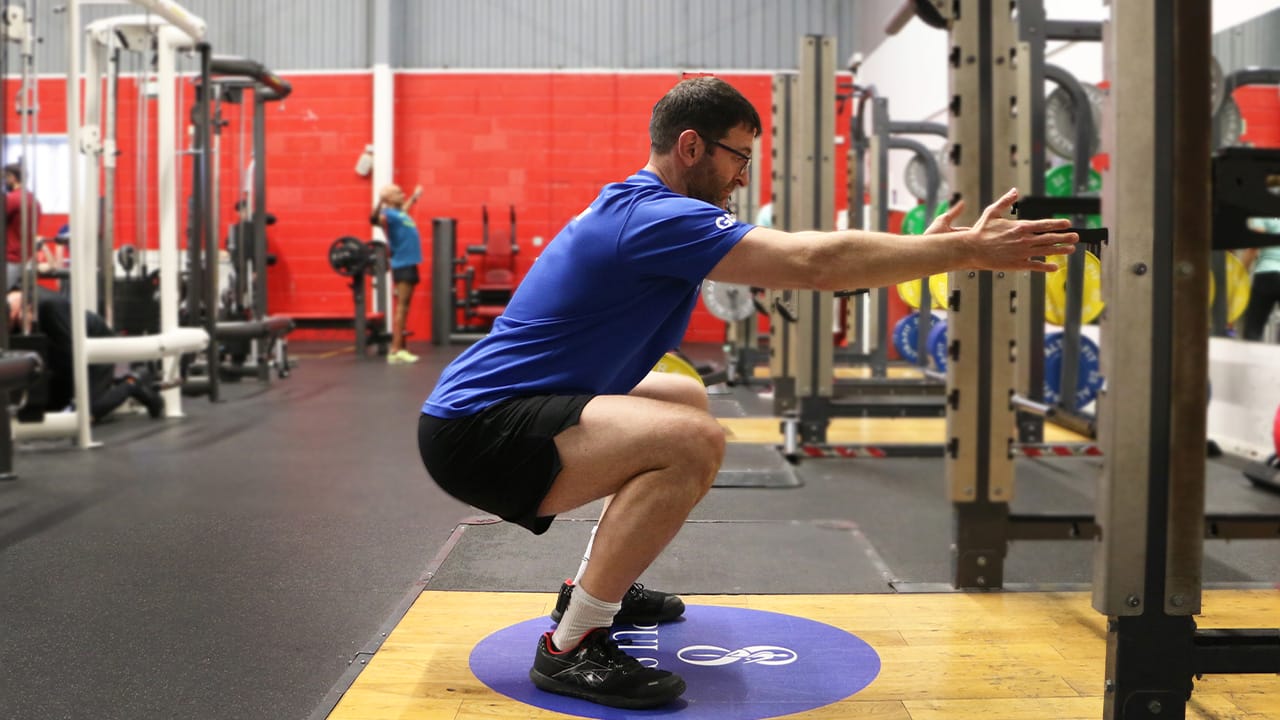
Squatting for Beginners
The best news about this challenge is that anyone can squat. If you are new to fitness or recovering from an injury, try these accessible adaptations to build your confidence.
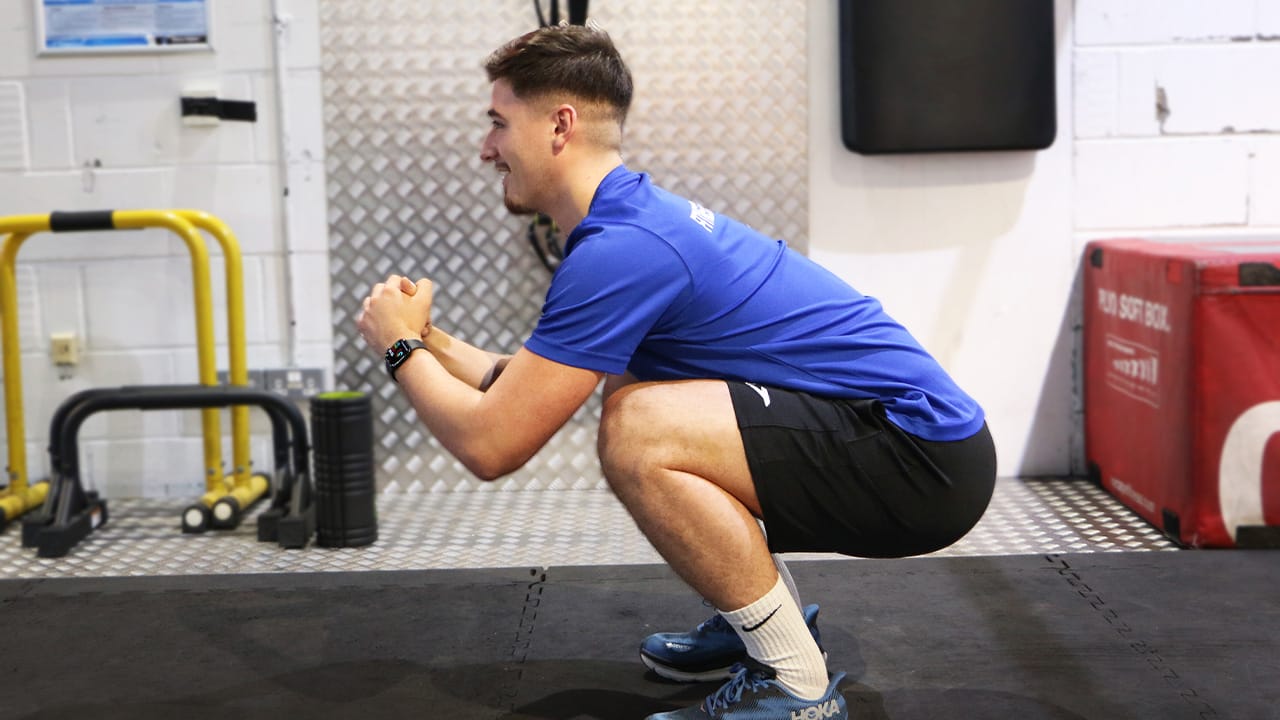
Body Weight Squat
Strip away the weights and focus on how your body moves. Stand with feet shoulder-width apart and lower your hips back and down as if sitting in a chair. This helps you understand your natural range of motion and balance. If you feel unsteady, place a sturdy chair or box behind you for reassurance.
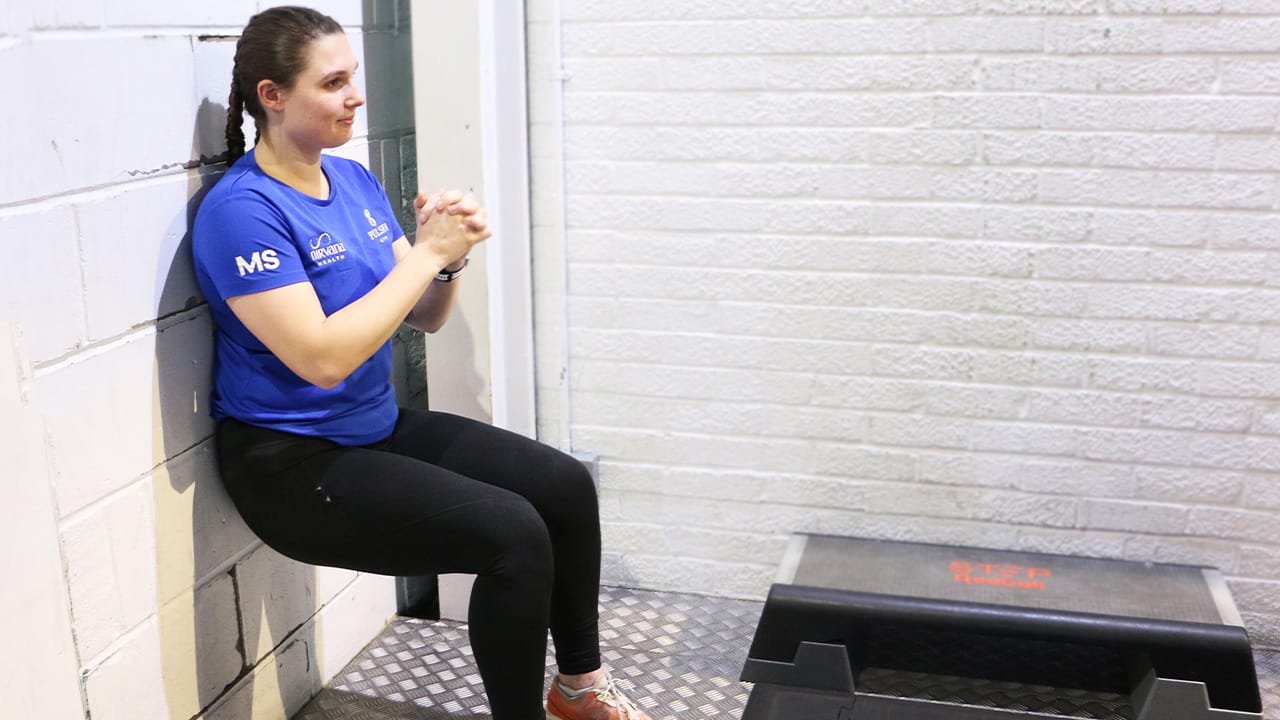
Wall Squat
This is excellent for learning correct posture. With a fit ball between your back and the wall, slide down into a squat position. You can hold a medicine ball or just use your body weight. The ball provides stability for your spine, allowing you to focus entirely on squat depth and leg strength without worrying about tipping over.
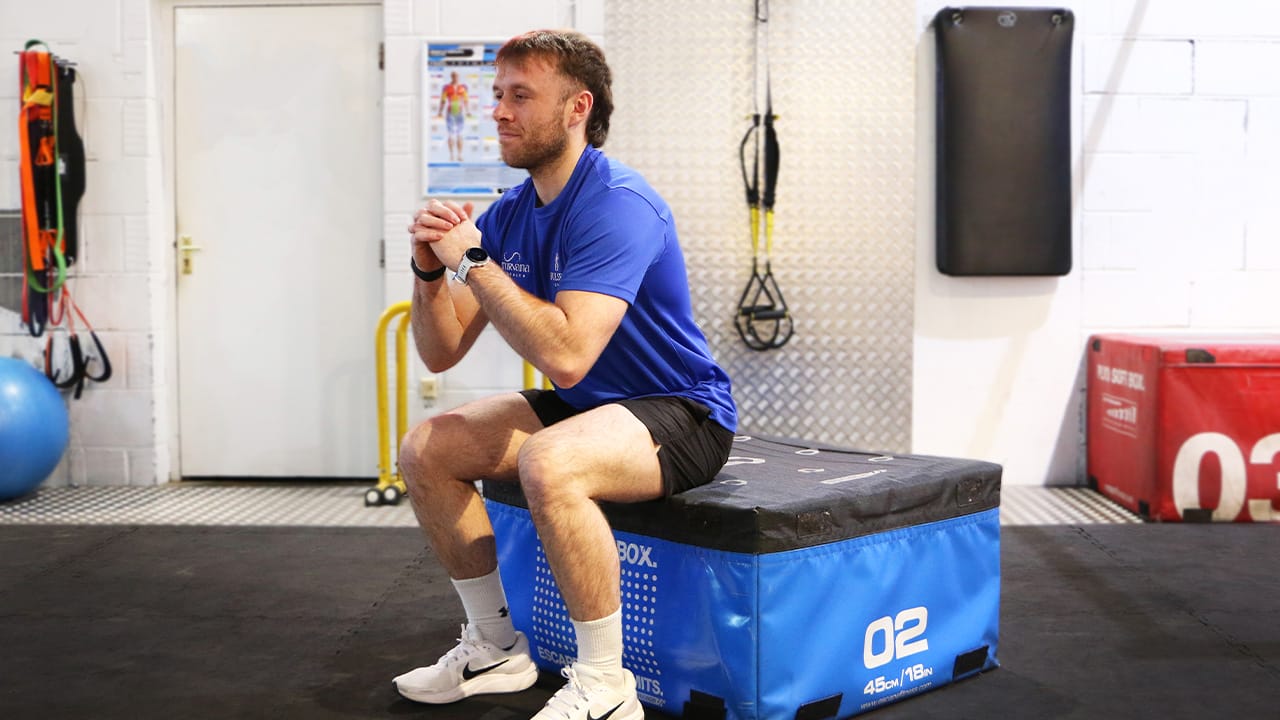
Box Squat
Using a box (or bench) allows you to target specific depths. Start with a higher box and tap your glutes to it before standing back up. As you get stronger and more mobile, you can lower the height of the box to improve hip engagement.
Progressions for the Experienced
If you are already familiar with the squat rack, this January Challenge is your opportunity to refine your technique.
Remember: Think form first. Progressions should come from increasing range of motion, adding load, or increasing complexity. Please ensure that you seek advice from a coach when trying something new or if you need any advice.
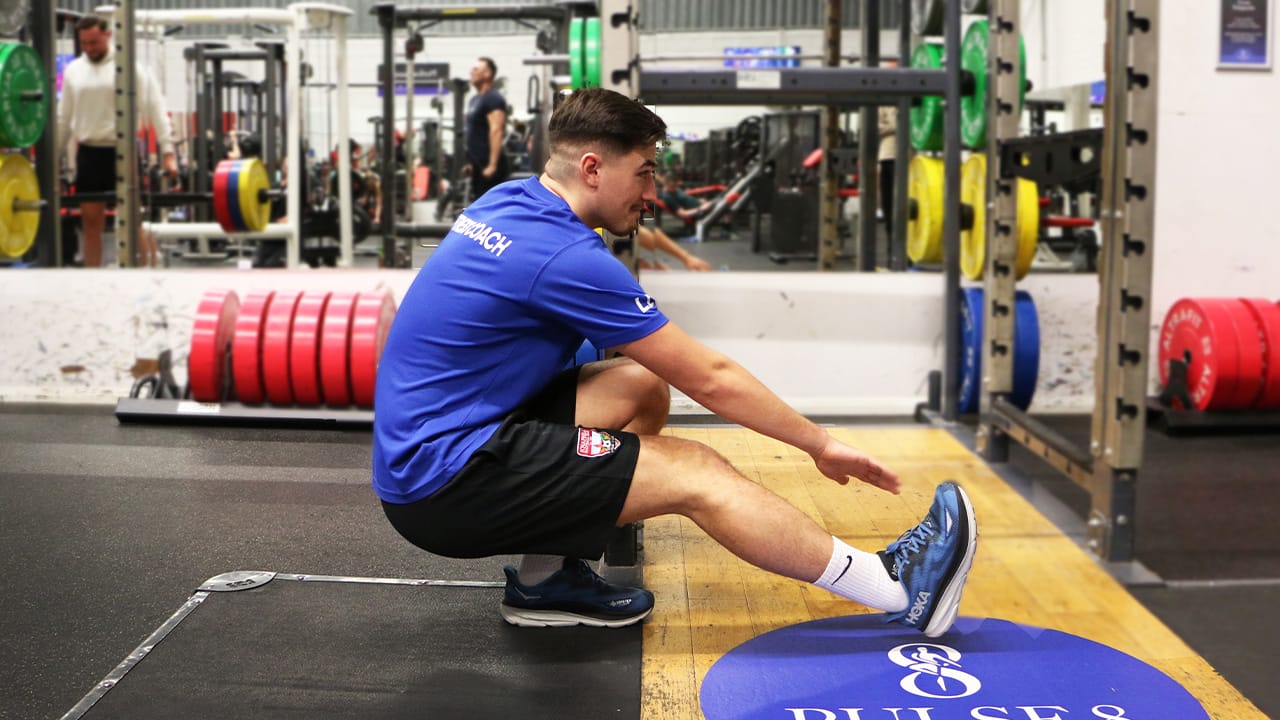
Pistol Squat
The pistol squat is a full, single-leg squat. It requires a high level of strength and balance. You can progress toward this by using assisted versions, such as holding onto TRX straps for support while you lower yourself on one leg.
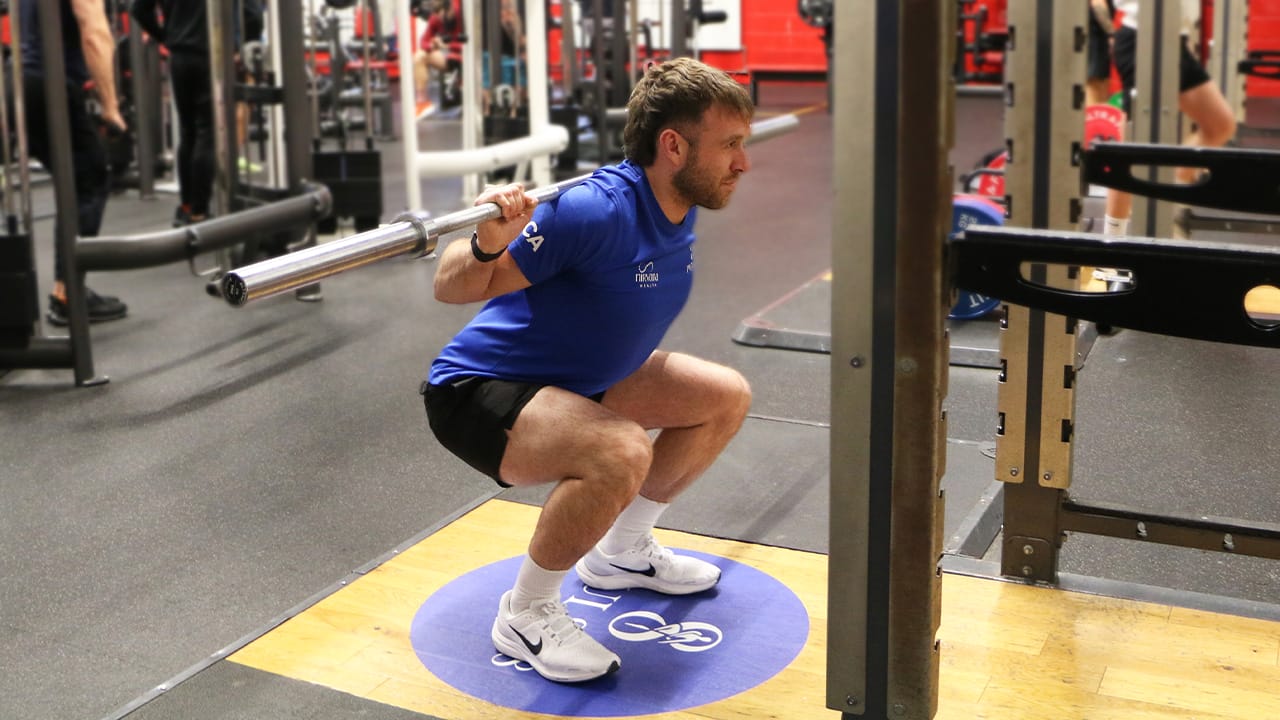
Barbell Back Squat
This is the classic strength builder. Resting the bar on your upper back (back squat) or the front of your shoulders (front squat) adds load to the movement. This demands strict posture and core engagement to manage the weight safely.
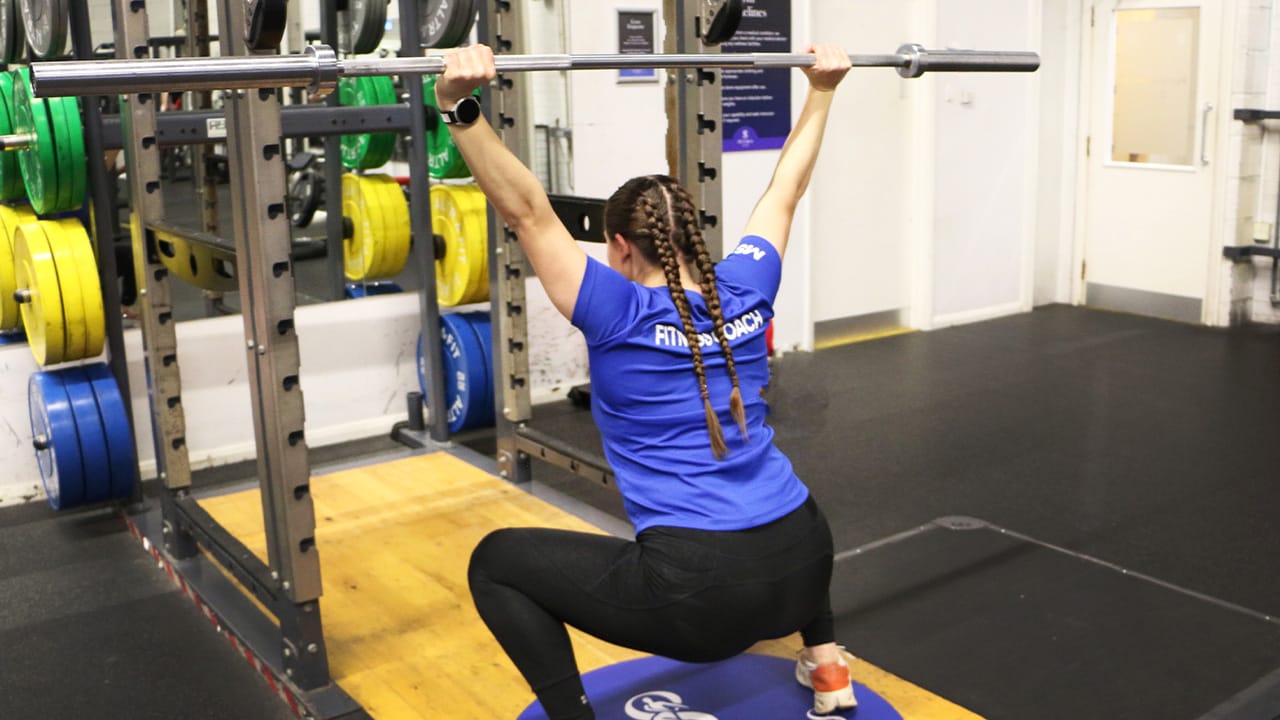
Overhead Squat
This is a humbling exercise that exposes mobility restrictions immediately. By holding a weight locked out overhead while you squat, you demand significant mobility from your shoulders, hips, and ankles, along with immense core stability.